
AMR Platforms for Research & Education
Start a project from a working platform instead of a blank chassis. These bases ship with ROS, LiDAR or depth cameras, open SDK/API access and payloads from 10 kg to 100 kg — the specification university labs use for SLAM, navigation and manipulation work.
How it works
Choose payload and drive
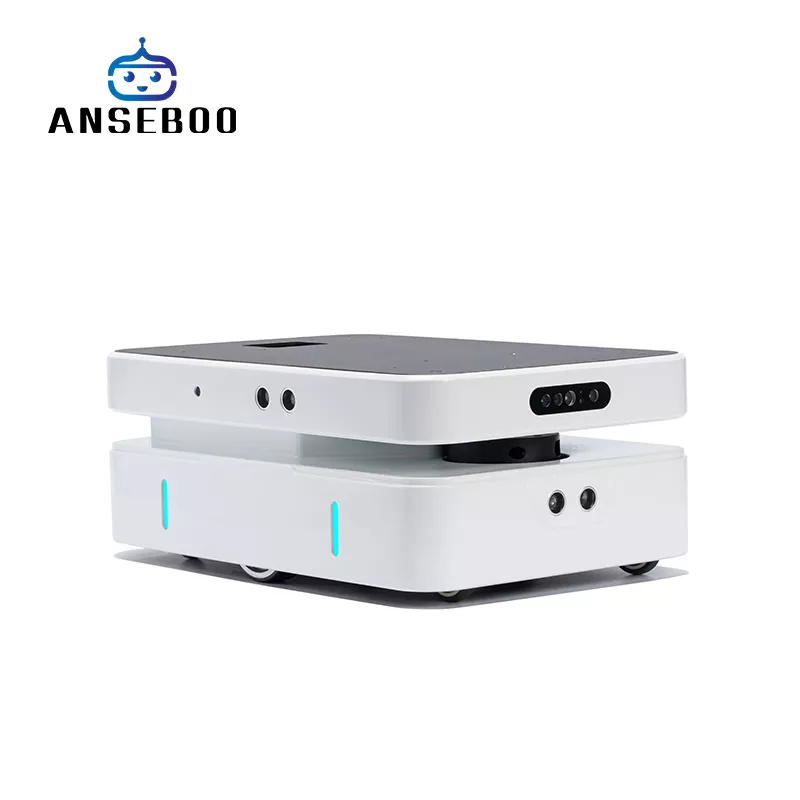
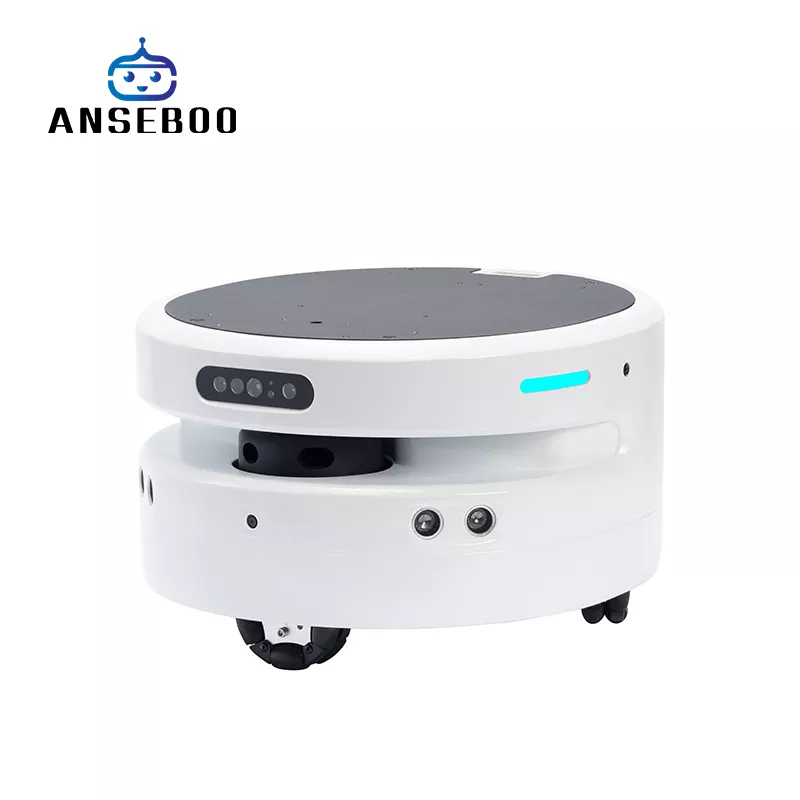
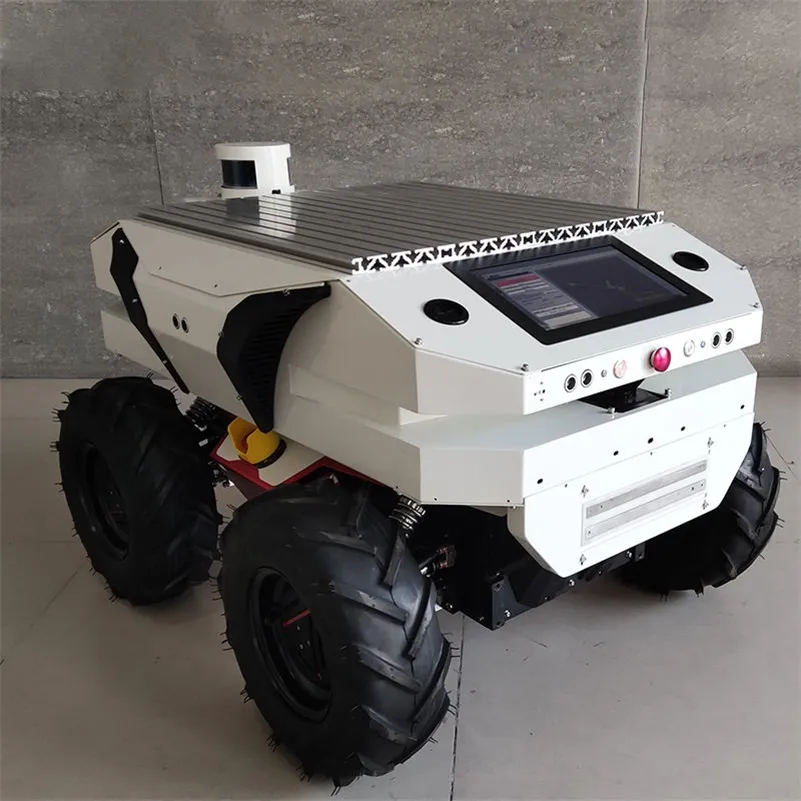
Gemini and Gemini-O are 10–20 kg bench platforms; the HA series carries 50–80 kg with a 30 m ToF LiDAR and depth cameras.
Develop on ROS
ROS Melodic, Ubuntu and USB / WiFi / HDMI interfaces are documented, so students can rebuild and extend the stack.
Add arms, sensors or a tracked base
The same ecosystem covers a 6-axis desktop arm (Cutebot-arm) and a tracked teaching platform when the project needs more range of motion.
Recommended models
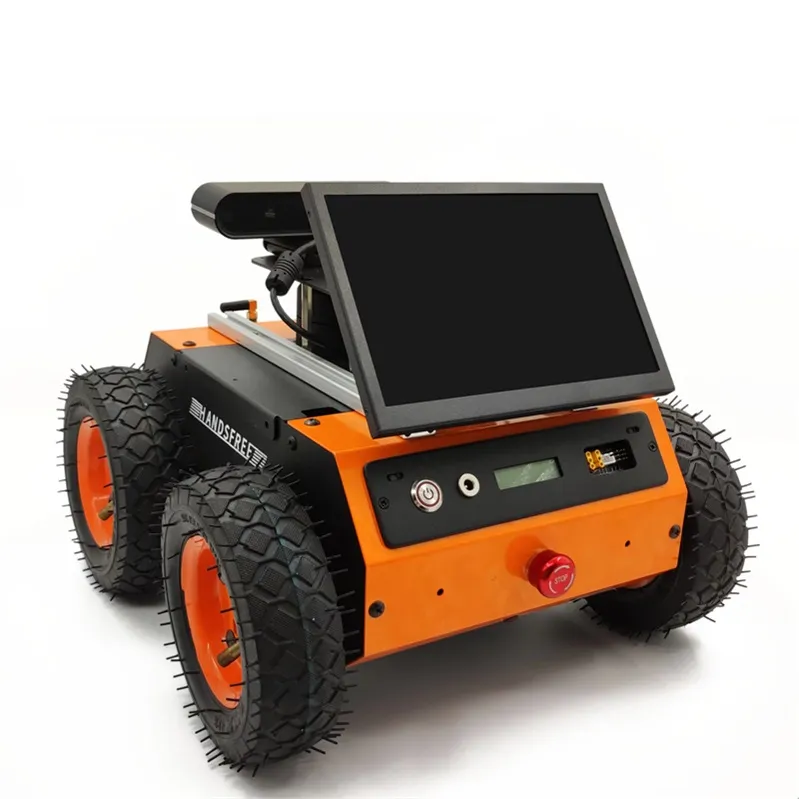
Bench-scale chassis for coursework, and heavier AMR bases for sensor and manipulation research.
What to check before you buy
Payload and deck space — 10 kg is a bench platform; 80–100 kg carries extra sensors, an arm and an onboard PC.
Navigation stack — LiDAR SLAM, RGB-D cameras and ROS support decide how much SLAM work you inherit.
Documentation — ask for the SDK, wiring and ROS package versions before ordering for a whole course.
Frequently asked questions
Which ROS version ships with the Gemini chassis?+
Gemini and Gemini-O run ROS Melodic on Ubuntu, with USB, WiFi and HDMI interfaces exposed.
Can we mount our own sensors and computer?+
Yes. HA08 and HA09 accept additional sensors and an onboard PC, with 50–80 kg of payload to carry them.
Is there a smaller option for teaching?+
Thunder is a four-wheel ROS teaching chassis and Cutebot a tracked platform, both with LiDAR SLAM and RGB-D cameras.
Related pages
Send us your workflow
Describe the space, the task and the volume — we'll recommend the optimum robot setup and a deployment plan.