1. Which ROS distribution, and which packages
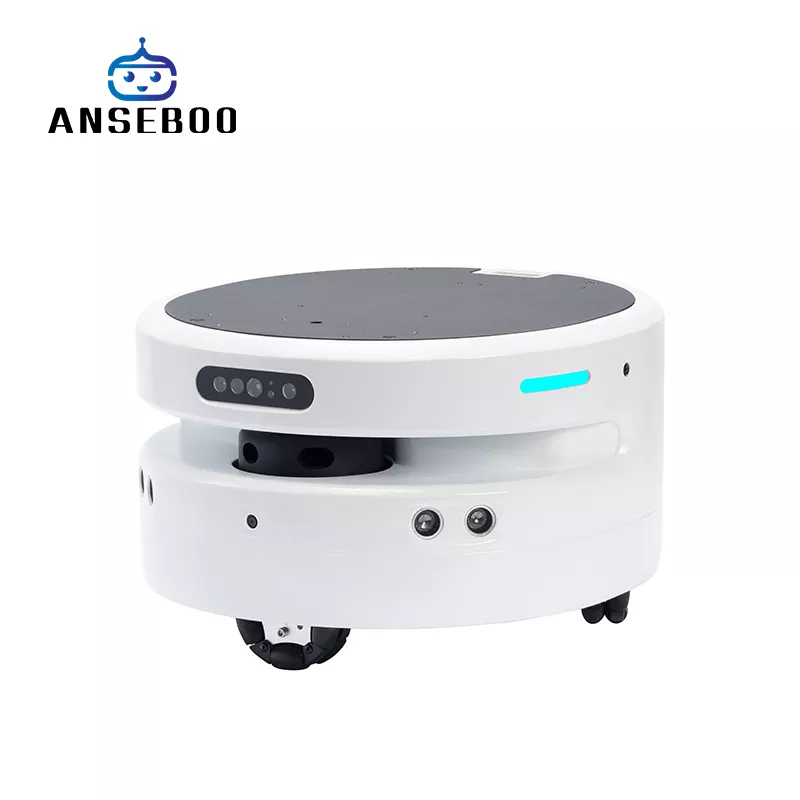
Gemini and Gemini-O ship with ROS Melodic on Ubuntu. Melodic is a ROS 1 distribution with a fixed support window, so plan for the migration to ROS 2 if the platform will outlive a three-year course cycle.
Ask for the package list and the launch files, not a screenshot of rviz. If the supplier cannot name the packages, the stack is not documented.
2. Which interfaces are actually exposed
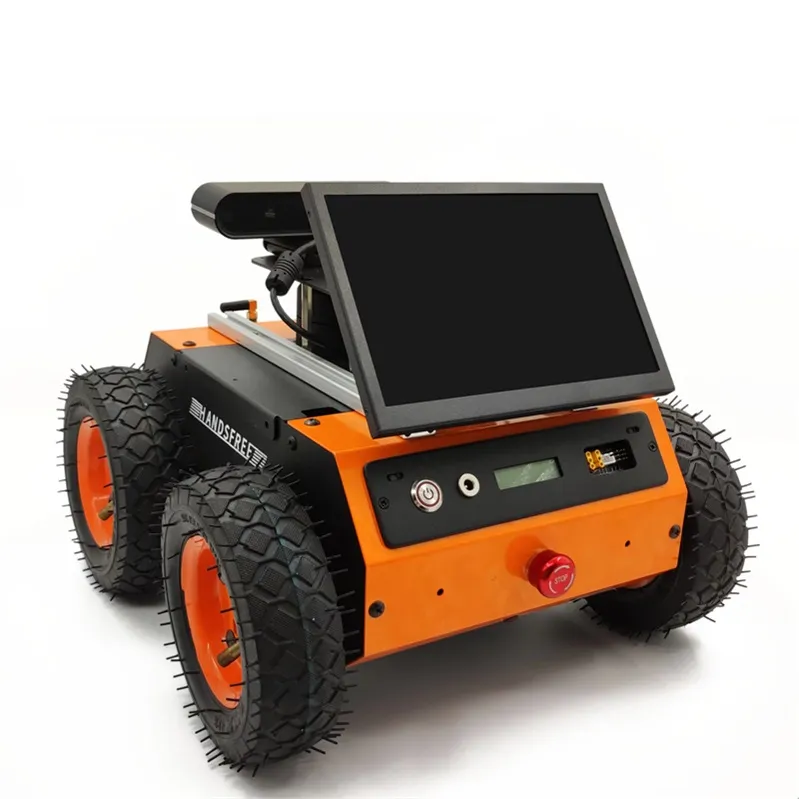
USB, WiFi and HDMI appear in most spec tables, but what matters is whether the topics, services and the emergency stop are reachable. Ask which topics publish odometry, scans and battery state.
For teaching, an exposed power rail (12 V / 5 V in the Gemini series) saves a week of wiring when students add sensors.
3. Payload with your sensors on it
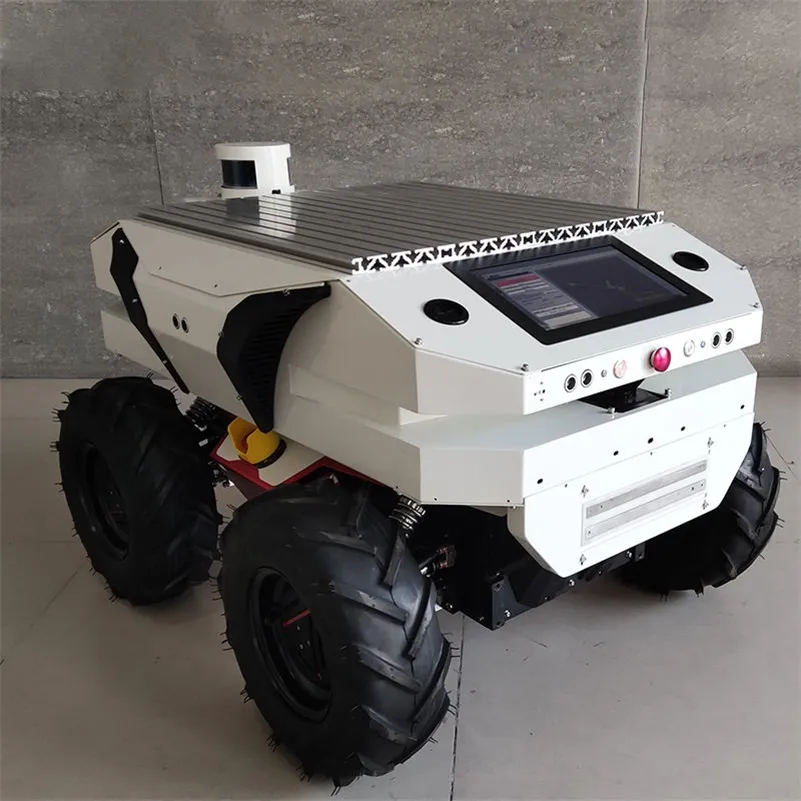
A 10 kg platform carries a depth camera and a small PC; an arm, a screen or a delivery box needs 50–80 kg. Add the weight of the mounting hardware, which is easy to forget.
Check the deck dimensions too: a platform can carry the payload and still have no room to bolt it down.
4. Battery, runtime and charging routine
Runtime figures are measured at cruising speed, not while running SLAM at full load. Gemini runs about 3–4 hours; the HA series about 6 hours with a 4-hour charge.
For a lab, a swappable pack or a second battery is usually cheaper than a bigger one, because experiments overrun.
5. Documentation and spares
Ask for the wiring diagram, the ROS package versions and the spare parts list. Wheels, batteries and dock contacts are the parts that fail first, and a course that loses a platform for a month loses the semester.
A Chinese factory-direct supplier can ship spares quickly if the parts are standard; confirm the part numbers before ordering a fleet.
주문 전 확인
- ROS distribution and package list in writing (Gemini/Gemini-O: ROS Melodic on Ubuntu).
- Exposed topics/services, emergency stop and power rails.
- Payload including sensors, arm and mounting hardware.
- Runtime under your workload, and whether the pack is swappable.
- Wiring diagram, package versions and spare parts list.
- Lead time for a spare battery and a wheel set.